 Tel: +86 188 2689 9458


Tel: +86 188 2689 9458

source:other news release time:2023-10-17 Hits:
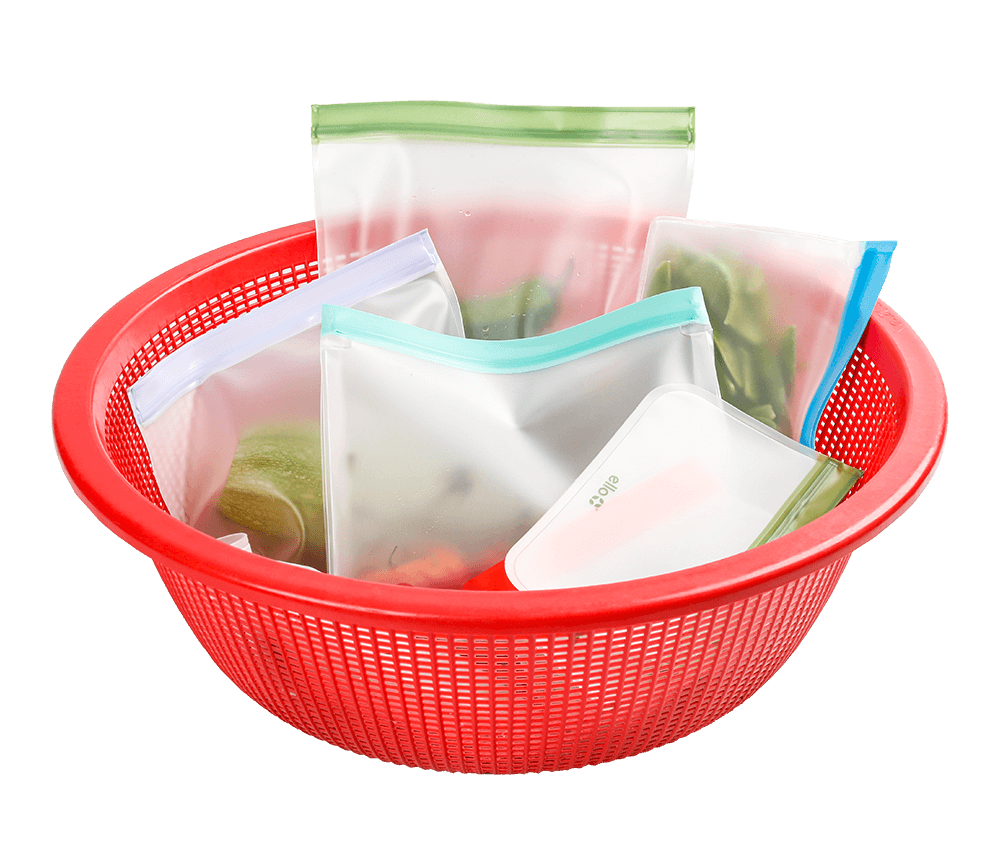
According to the different degradation types of products, they can be divided into photodegradation type, biodegradation type, and environmental degradation type. The degradation function reflects the ability of a product to be accepted by the environment after being discarded. If the degradation function is good, the bag will crack, differentiate, and degrade on its own under the combined action of light and microorganisms, ultimately becoming debris.
The inspection items for food packaging composite film bags are mainly divided into the following categories: the appearance should be flat, without scratches, burns, bubbles, oil breaks, and wrinkles, and the heat seal should be flat and free from false seals. The film must not have cracks, pores, or separation of the composite layer. No contamination such as impurities, foreign objects, and oil stains.
The bagged soaking solution must not have any odor, odor, turbidity, or discoloration. It should be pointed out that in addition to the corresponding hygiene standards mentioned above, China also has two laws and regulations for food packaging materials: the first is the "Management Measures for Plastic Products and Raw Materials for Food".
The content of the Food Hygiene Law is more comprehensive than the management methods, and the latter is professional, only referring to plastic products and raw materials. The management scale is limited to various plastic tableware, containers, production pipelines, conveyor belts, and packaging materials made of plastic that touch food, as well as the synthetic resins and additives used. The so-called plastic tableware refers to plastic products such as spoons, spoons, chopsticks, etc. that touch food for a short period of time but need to be reused.
The so-called container refers to plastic products such as barrels, bottles, pots, and cups that hold food. The so-called production pipeline refers to the pipeline through which materials, especially liquid food or beverages, flow during the food processing process, and should also include storage and filling. The so-called conveyor belt refers to the carrier used to transport food raw materials to processing equipment, while packaging materials refer to single and composite bottles, barrels, trays, rolls, and bags,
Read recommendations:
pouch with handle Manufacturing
The production process and process of vacuum packaging bags
What are the reasons for the continuous rise in the BIB market.custom stand up pouch
Popular recommendation
Bag-In-Box
Laminated Aluminum Foil Zip Lock Bag Stand Up Pouch /Matt White Foil Pouch /Zip Lock Coffee Bag
Kraft paper pouch
refillable spout pouches custom
custom printed spout pouches
bag in box company
Spout pouch flexibility manufacturer
packaging spout pouch company
smart food Snack food bag supplier
pet food bag totes custom
The State Administration for Market Regulation encourages the optimization of food packaging labels
Top-line packaging as a professional Bag-In-Box manufacturer, committed to producing high-quality pa
How to use food packaging bags specifically
What should be paid attention to in the customized production of rice packaging bags.super pouch too
Customized packaging bags according to product characteristics
digital printing flexible packaging
What is the quality of degradable plastic bags?
The use of aluminum foil bags
The difference between aluminum foil bag and composite bag and vacuum packaging bag
Plastic packaging bag manufacturers are here to talk to you about the precautions for using plastic
How much do you know about the processing of vacuum packed corn?
What Food Vacuum Zipper Bag do you see?pint zipper vacuum bag custom
What are the twelve structural types of commonly used packaging bag films
The savior of the express delivery industry - buffer gas column bags.aluminium spout pouch sales
Learn about the main ingredients of plastic bags.pet food packaging bag
Food packaging bags.printed snack food bags manufacturer
Low carbon composite aluminum foil bag raw materials have become the main theme
Analyze the factors that may affect the production environment of fruit juice bags?liquid spout bags
North India's cowhide paper bag customization allows you to worry about it
What are the uses of plastic bags?
Subscribe to Top-line emails and
stay updated on our news.
 +86 188 2689 9458
Email: info@toplinepackaging.com
Add: Room 204-205 ,Buliding 2 ,No 7 xinji Road,Nancheng street ,Dongguan City ,Guangdong province,China












 Download Catalogs


 Wechat
 Whatsapp
