 Tel: +86 188 2689 9458


Tel: +86 188 2689 9458


source:Industry News release time:2023-11-13 Hits:
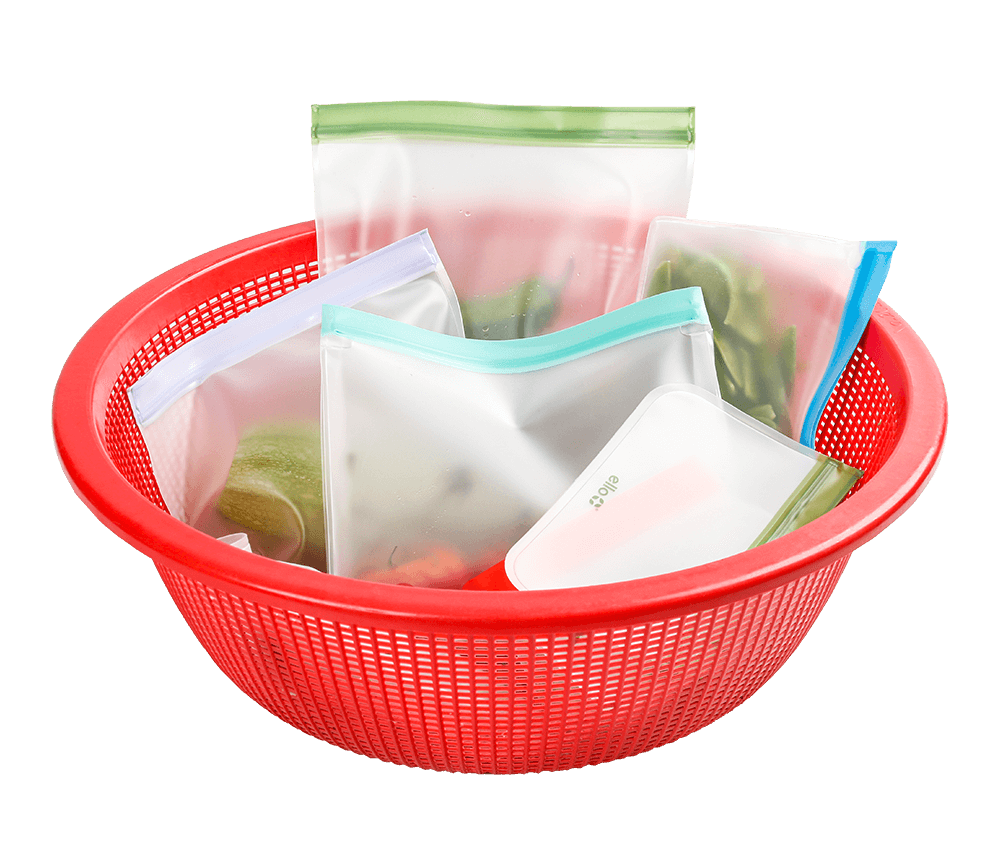
Generally speaking, the basic structure of composite materials is that the outer layer of composite packaging materials should be materials with high melting point, good heat resistance, less scratches and burrs, good printing function, and good optical function. Commonly used materials include paper, aluminum foil, fiberglass, polycarbonate, nylon, polyester, polypropylene, etc.
The inner layer materials should have functions such as heat sealing, good adhesion, odorless, non-toxic, oil resistant, water resistant, and chemical resistant, such as heat-resistant plastic materials such as polypropylene, polyethylene, and polyvinylidene chloride. The middle layer of composite materials with three or more layers generally uses materials with good functions such as blocking gas and moisture, and shielding light, and high mechanical strength, such as aluminum foil, polyvinylidene chloride, cellophane, paper, polyethylene, etc.
Adhesive is applied between layers for bonding. Generally, solvent based thermosetting polyurethane adhesive is used between the outer layer and the middle layer, and modified polypropylene lotion adhesive or specially modified carbonyl propylene containing resin is used between the inner layer and the middle layer. The outer layer adhesive requires high bonding strength, simple process, and low cost; The adhesive used for the inner layer requires high temperature resistance, high peel strength, non-toxic, tasteless, and does not affect the nutritional composition of the food, which can effectively maintain the color, aroma, and taste of the food.
In recent years, foreign countries have developed a uniform coating agent on the surface of the substrate film to improve the airtightness, oil resistance, and chemical stability of packaging materials, making it suitable for various food packaging. Commonly used coating agents include polyvinylidene chloride resin and polypropylene polyvinylidene chloride resin. The methods of coating include single-sided coating and double-sided coating.
Read recommendations:
Hot Sale BPA Free Plastic Drink Juice Fruit Liquid Packaging Stand Up Bag Spout Pouch
What is the future development trend of the spout pouch bag?
How to classify and differentiate composite food bags.bag in box price
Popular recommendation
Coffee & Tea pouch
Custom Laminated Printing Juice Bag Liquid Packaging Stand Up Plastic Water Spout Pouch
Flexible packaging film roll
mulberry mini pouch with handle sales
recyclable spout pouches
bag in box packaging Manufacturing
bag in box packaging wholesaler
tea pouch packing machine custom
kraft paper spout pouch manufacture
bag in box packaging custom
How are the bags classified?
Classification of express packaging bags
New machine 1L-250L April,17,2023
liquid pouch with spout Factory.Introduce the materials of food packaging bags
What is the quality of degradable plastic bags?
Development Trend of Aluminum Foil Ton Bag Industry.aluminum foil bag large
A detailed introduction to food packaging bags
Introduction to packaging methods for containerized liquids
bag in box packaging Solution.Learn about children's food packaging bags
The origin of aluminum foil bags!aluminum foil bags for cooking distributors
Characteristics of various food packaging materials
Convenient circulation of packaged food
flexible packaging film roll pouches custom.How can we find a good supplier for packaging bags with
Paper plastic composite bag.beverage bag manufacturers
Basic elements of packaging bags.bag in box sales
How to judge the authenticity of degradable plastic bags?
Vacuum packaging bag can be safely used for food packaging
Analyze the design requirements for food packaging bags
Learn more about the material of the vacuum bag packaging, right?aluminum laminated foil bag Factory
PA nylon vacuum bag and PET polyester vacuum bag difference
Subscribe to Top-line emails and
stay updated on our news.
 +86 188 2689 9458
Email: info@toplinepackaging.com
Add: Room 204-205 ,Buliding 2 ,No 7 xinji Road,Nancheng street ,Dongguan City ,Guangdong province,China














 Download Catalogs


 Wechat
 Whatsapp
