 Tel: +86 188 2689 9458


Tel: +86 188 2689 9458


source:Industry News release time:2022-09-26 Hits:
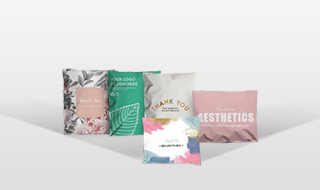
Problem 1: Prefer to choose brightly colored food packaging bags
There are various colors of food packaging bags. Most customers prefer brightly colored products when purchasing. However, the brighter the color of food packaging, the more additives will be added. Therefore, food packaging bag manufacturers recommend using single-color packaging bags for Although food packaging is less ornamental, it is something that touches the mouth after all, and safety is important.
Question 2: The thicker the food packaging bag, the better
The greater the thickness of the food packaging bag, its quality is not necessarily better. There are strict standards for food packaging bags. Only those that meet the standard quality are considered to be up to the standard, which has nothing to do with the thickness.
1. Mechanical performance requirements of vacuum packaging bags.
During the vacuuming process of the food bag, the pressure changes, and the external pressure is applied to the packaging bag in all directions, compressing and stretching the bag, so that the bag is close to the food. This pressure is a staying power that constantly acts on the bag. Therefore, all vacuum bag materials must have good stretchability (ductility), fatigue resistance and impact resistance, so that the bag can not easily break and be damaged.
The mechanical properties of the above materials are common to all vacuum bags, and most materials have such mechanical properties.
2. Different food vacuum bags have different requirements for materials.
a, food that is not easy to oxidize or has low requirements, such as fresh vegetables, fruit and meat and other fast-selling food, this kind of food vacuum bag usually chooses PE, PP, etc. of single-layer film material.
b, easy to oxidize, susceptible to moisture and other food vacuum bags have high barrier properties for material requirements. The material of choice is usually a composite membrane. The composite strength of such materials is required to be high. If it is not high, delamination is very likely to occur during vacuuming, and the material no longer has high barrier properties.
c. High temperature sterilization food vacuum bags require that the film and adhesive of each part of the material be resistant to high temperature.
d. Foods rich in oils and fats require vacuum bag materials with good oil resistance.
Read recommendations:
125g 250g 500g 1kg Aluminum Foil Flat Bottom Coffee Bean Bags With Valve
biodegradable spout pouches price
Popular recommendation
Laminated Aluminum Foil Zip Lock Bag Stand Up Pouch /Matt White Foil Pouch /Zip Lock Coffee Bag
Custom printed food grade ziplock snack custom plastic pouch packaging food packing bag
PET food bag
Flexible packaging film roll wholesale
stand up Spout pouch manufacturer
recyclable spout pouches Factory
flexible packaging bags
pouch with handle
juice bag in box Processing
packaging spout pouch wholesaler
Food vacuum packaging bag: a very convenient packaging method
Aluminum Foil Bag's applicable range is wide.aluminium coffee bag Factory
PET food bag wholesaler.What requirements should food packaging bags meet
Kraft paper spout pouch bag in line with the theme of environmental protection in the world
Hitting the pain points of gift box packaging directly, three simple points make packaging customiza
The common problems of self -standing bags are here, the solutions are here
Take you to analyze the wrinkle phenomenon in the zipper bag
Differences in the Materials of Composite Packaging Bags
Efficient protection, easily carry: new choice of liquid packaging bag.juice bag in box company
How To Seal A Spout Pouch- The Complete Guide
Aluminum foil bag basic knowledge
What are the components of degradable plastic bags?
Where is the price of degradable plastic bag cheap?
Why do Vacuum packing bags wrinkle?food vacuum bag
Introduction and application of composite food bag wholesale.smart food Snack food bag Manufacturing
What are the functions of biodegradable plastic bags?
Why use composite packaging?
Gas packaging airbag packaging
Which foods can be packed in vacuum bags?
Aluminum foil bag manufacturers have summarized the reasons for air leakage in aluminum foil bags
Subscribe to Top-line emails and
stay updated on our news.
 +86 188 2689 9458
Email: info@toplinepackaging.com
Add: Room 204-205 ,Buliding 2 ,No 7 xinji Road,Nancheng street ,Dongguan City ,Guangdong province,China














 Download Catalogs


 Wechat
 Whatsapp
