 Tel: +86 188 2689 9458


Tel: +86 188 2689 9458

source:other news release time:2023-09-08 Hits:
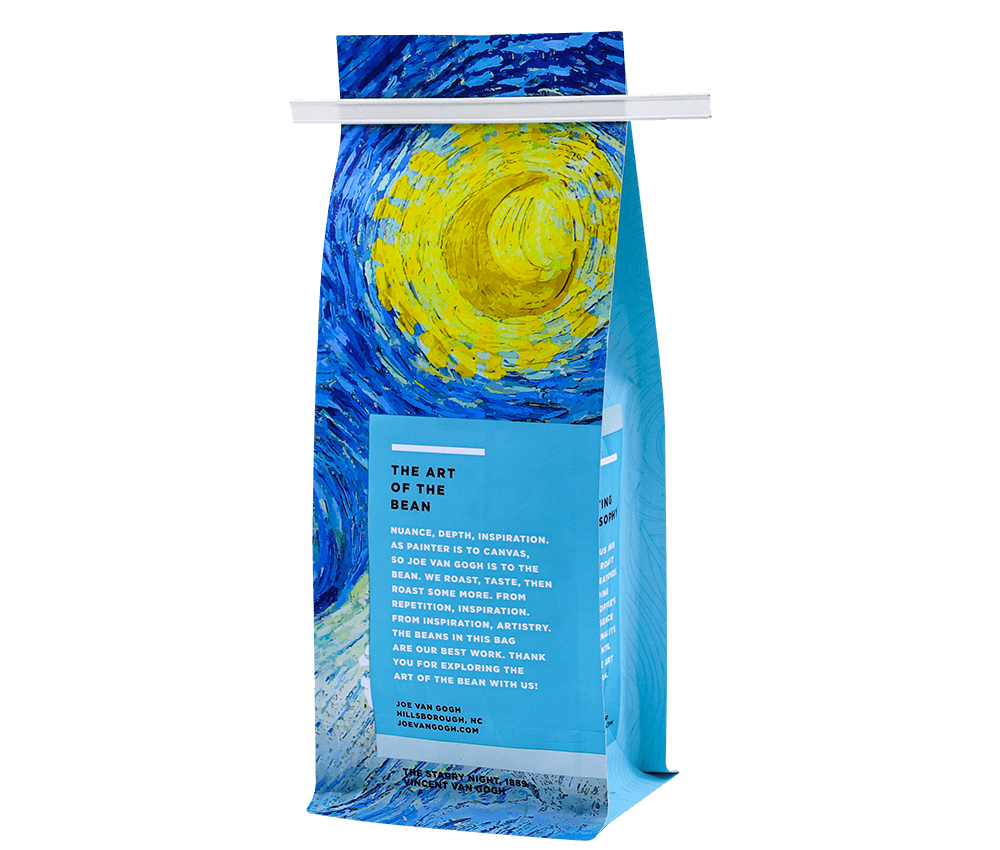
1. Hot pack sterilization method
This is a sterilization method of heating food or beverages to 80-90 ° C, placing them in hot aluminum foil bags while they are hot, sealing them, and storing them at high or certain temperatures. This treatment method is mainly used for liquid foods with high acidity.
2. Steaming sterilization method
This method is mainly used for some less acidic foods, such as meat, fish, poultry, milk, eggs, etc. The sterilization temperature is generally 121 ℃ or 134 ℃. The method used is to place the aluminum foil bag (steaming bag) into a high-pressure sealed container and heat it with steam or pressurized water. According to the different sterilization conditions of steaming bags, they can be divided into static heating sterilization and rotary heating sterilization. Pressurized high-temperature sterilization can be divided into saturated steam sterilization, air pressurized steam sterilization, and pressurized water sterilization according to the different heating media used. The currently widely used method is saturated steam sterilization, as it is cost-effective and convenient for humidity control.
3. UV sterilization
After packaging food or beverages in aluminum foil bags, sterilization can also be achieved through efficient ultraviolet light irradiation. When using this method, the intensity and duration of ultraviolet radiation should be determined based on the size of the packaging bag and the amount of content.
The main uses of nylon bags are: fish, seafood, soup, grains, juice, fruit puree, and any food that needs to be vacuumed, whether dry or wet, all require the use of nylon. Such as curry, soup, juice, puree, beverages. They can't do without nylon.
What types of nylon vacuum bags are available? Organ bags, standing bags, back sealed bags, suction nozzle bags, octagonal sealed packaging bags, etc. are all made into vacuum packaging bags by air freight. And various patterns are printed by air freight.
The Development Prospects of Vacuum Bags: With the continuous development of the market, many packaging bag materials will be phased out and replaced with degradable packaging bags. However, vacuum packaging bags will not be changed because any degradable materials are unstable materials with excellent breathability and almost no satisfactory vacuum effect, which cannot meet our food preservation needs. Only vacuum bags cannot be replaced.
Read recommendations:
Custom printed food grade ziplock snack custom plastic pouch packaging food packing bag
biodegradable spout pouches manufacturer
How to prevent plastic packaging bags from aging.mini Snack food bag distributors
Popular recommendation
Wholesale High Barrier Plastic Stand Up Flat Bottom Pet Dog Food Packaging Bag
Custom Print Side Gusset Coffee Pouch Black Matte Coffee Beans Packaging With Valve
Flexible packaging film roll
spout pouch machine Manufacturing
stand up valve coffee bag
zip lock bag for coffee wholesale
bag in box wine Processing
spout pouch bags custom
smart food Snack food bag distributors
spout pouch serves distributors
Let's learn about upright bags
Key Players in Bag-in-Box Industry
Tell you how to distinguish the material of the vacuum packaging bag
Wine box packaging customization process and specific production process
Composite packaging bag
Precautions for use of degradable plastic bags
How to use the air hole on the coffee bag
Anti -static packaging bag.aluminum foil bags for cooking
What are the liquid packaging methods?
A detailed introduction to food packaging bags
Why are degradable plastic bags more expensive than ordinary plastic bags?
The necessity of using anti -fog packaging bags for vegetables.Flexible packaging film roll wholesal
Food packaging bag inspection standard.packaging companies for food
What should I pay attention to when the self -sealed bag should pay attention to during the inflatab
brown kraft paper pouch company.How to better use food packaging bags
What is the difference between rice vacuum bags and rice woven bags
Why is the cooking bag called "soft can"? What are its advantages and characteristics
coffee bag history
Is the desiccant in the food bag toxic?
What are the accessories for bagged water packaging bags.spouted stand up pouch
Subscribe to Top-line emails and
stay updated on our news.
 +86 188 2689 9458
Email: info@toplinepackaging.com
Add: Room 204-205 ,Buliding 2 ,No 7 xinji Road,Nancheng street ,Dongguan City ,Guangdong province,China










 Download Catalogs


 Wechat
 Whatsapp
